“10 Best Acne Treatment Tips for Clear & Healthy Skin”
🌸 Introduction
Acne is one of the most common skin issues faced by both teenagers and adults. Whether it’s mild breakouts or painful cystic pimples, acne can deeply affect not just your appearance but your confidence too.
The good news? With the right acne treatment plan and a consistent skincare routine, you can control breakouts, heal scars, and restore clear, glowing skin.
In this detailed guide, you’ll learn what causes acne, how to treat it effectively, and the daily habits that help prevent it naturally.
💡 What Exactly Is Acne?
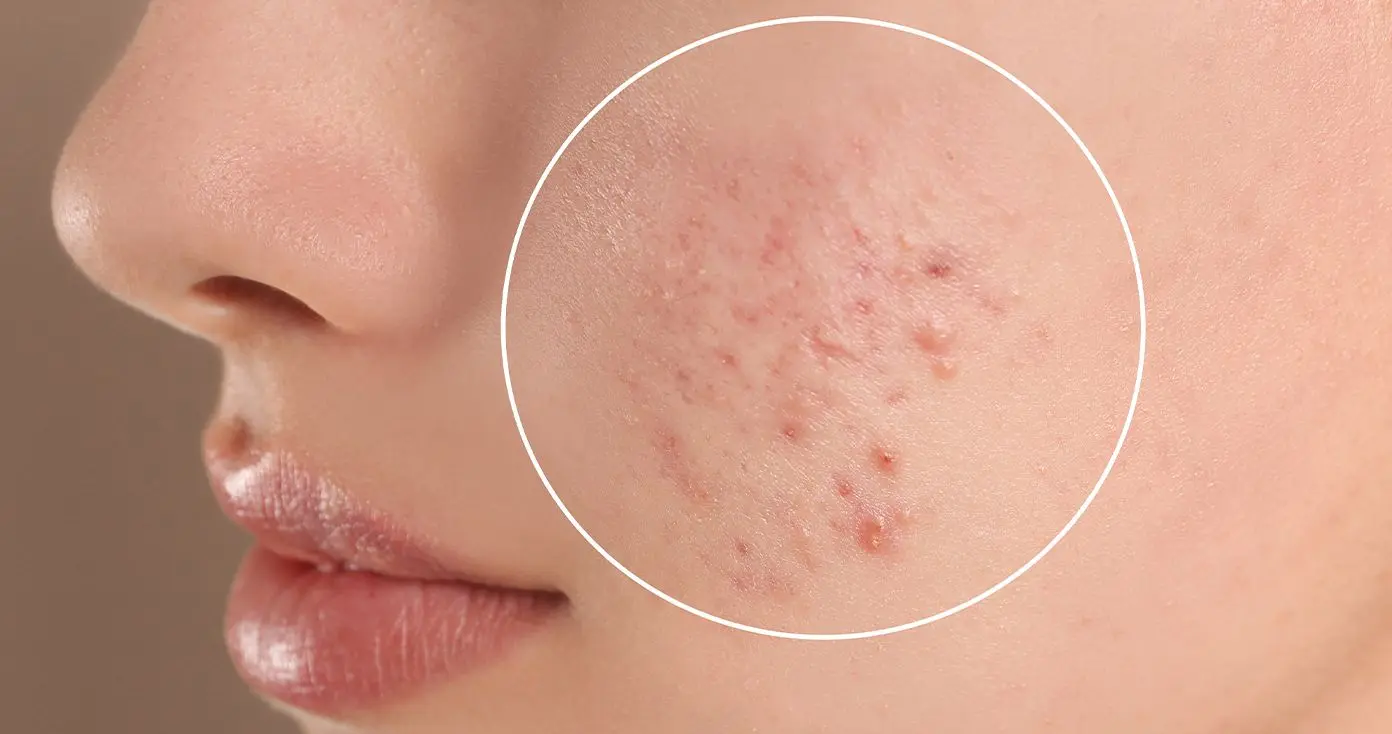
Acne develops when your skin’s pores become blocked by oil, bacteria, and dead skin cells. This blockage can lead to blackheads, whiteheads, pimples, or even deeper cystic acne.
While acne most often appears on the face, it can also affect the neck, chest, shoulders, and back.
Acne isn’t just a cosmetic problem—it’s a medical skin condition that needs the right treatment approach.
🔍 Main Causes of Acne
Knowing what causes acne helps you choose the right solution. Here are the most common triggers:
1. Excess Oil Production
Overactive oil glands can clog pores, leading to frequent breakouts.
2. Hormonal Fluctuations
Hormonal changes (especially during puberty, menstruation, or stress) can increase sebum production and trigger acne.
3. Bacteria Growth
A bacteria called Cutibacterium acnes multiplies in clogged pores, causing inflammation and pus-filled pimples.
4. Dead Skin Accumulation
Without proper exfoliation, dead cells trap oil and bacteria inside pores.
5. Poor Diet and Lifestyle
Junk food, sugar, dairy, and dehydration can all make acne worse.
🧴 Effective Acne Treatment Options
The best acne treatment depends on your skin type and severity of breakouts. Let’s look at the most effective solutions:
1. Topical Skincare Products
For mild acne, the right skincare products can make a huge difference.
Ingredients to look for:
-
Salicylic Acid: Removes excess oil and unclogs pores.
-
Benzoyl Peroxide: Kills acne-causing bacteria.
-
Niacinamide: Reduces redness and inflammation.
-
Retinoids: Increase cell turnover and prevent clogged pores.
💡 Always use gentle cleansers and oil-free moisturizers to avoid irritation.
2. Professional Acne Treatments
If you’ve tried over-the-counter products without success, professional help can bring faster results.
Chemical Peels
Remove dead skin and reduce acne scars.
Laser Therapy
Targets bacteria and reduces oil gland activity.
Microdermabrasion
Improves skin texture and removes blackheads.
LED Light Therapy
Calms redness and prevents new breakouts.
Dermatologists may also prescribe oral antibiotics, retinoids, or hormonal medications depending on your skin’s needs.
3. Natural Acne Remedies
If you prefer a natural approach, these remedies can complement your acne treatment plan:
-
Aloe Vera: Soothes irritated skin and speeds healing.
-
Tea Tree Oil: Has natural antibacterial properties.
-
Green Tea Toner: Reduces oil and fights bacteria.
-
Honey Mask: Hydrates and heals acne scars naturally.
⚠️ Always patch-test natural ingredients before applying to your face.
🧼 Daily Skincare Routine for Acne-Prone Skin
A consistent routine is the foundation of any good acne treatment.
Morning Routine:
-
Cleanse with a mild face wash.
-
Apply toner (alcohol-free).
-
Use a lightweight, non-comedogenic moisturizer.
-
Apply sunscreen SPF 30 or higher.
Night Routine:
-
Remove makeup completely.
-
Cleanse again to remove dirt and oil.
-
Apply an acne serum or retinol (if recommended).
-
Finish with a soothing moisturizer.
💡 Consistency is more important than using too many products.
🥗 Diet Tips for Clearer Skin
Your diet directly affects your skin’s oil balance and inflammation levels. Follow these tips to support your acne treatment naturally:
-
Drink plenty of water daily.
-
Eat more fruits, vegetables, and omega-3 fats.
-
Avoid sugar, fried foods, and dairy.
-
Include zinc and vitamin-rich foods for faster healing.
⚠️ Common Mistakes That Make Acne Worse
Avoid these everyday habits that can delay results:
-
Touching or popping pimples.
-
Using harsh scrubs or alcohol-based toners.
-
Sleeping with makeup on.
-
Overwashing the face.
-
Not cleaning pillowcases or phone screens regularly.
💬 Small changes in daily habits can significantly improve your skin’s condition.
🧘♀️ Preventing Future Breakouts
Here’s how to keep your skin clear and acne-free in the long term:
-
Stick to a simple, consistent routine.
-
Manage stress through exercise or meditation.
-
Get enough sleep and rest.
-
Wash your face after workouts.
-
Choose hair and skin products labeled “non-comedogenic.”
With these habits, you’ll maintain healthy, glowing skin even after acne clears.
🌟 When to See a Dermatologist
If your acne is painful, persistent, or leaving scars, it’s time to consult a dermatologist.
A professional can identify hormonal or bacterial causes and tailor a custom acne treatment plan for you.
Getting expert help early can prevent long-term damage and restore your skin’s natural balance.
✅ Final Thoughts
Acne doesn’t define your beauty — but effective acne treatment can help you feel more confident and comfortable in your skin.
Remember, the key to success is patience, consistency, and professional guidance.
Combine gentle skincare, a balanced diet, and a positive mindset, and you’ll see your skin transform over time.
✨ Healthy, glowing skin starts with care — not perfection.


Exclusive Valentine’s Day Hair Patch Offer – Transform Your Look with STAR HAIR STUDIO in Delhi
Read More »
Best Hair Patch Comb and Flat Hair Brush in 2026 – Complete Care Guide by STAR HAIR STUDIO
Read More »